Kimonoya, Clothing and Unique Objects in the Heart of Paris
The oldest shop selling Japanese handicrafts in the capital offers a wide range of products sourced from Japan by stylist Machi Kojima.
© Kimonoya
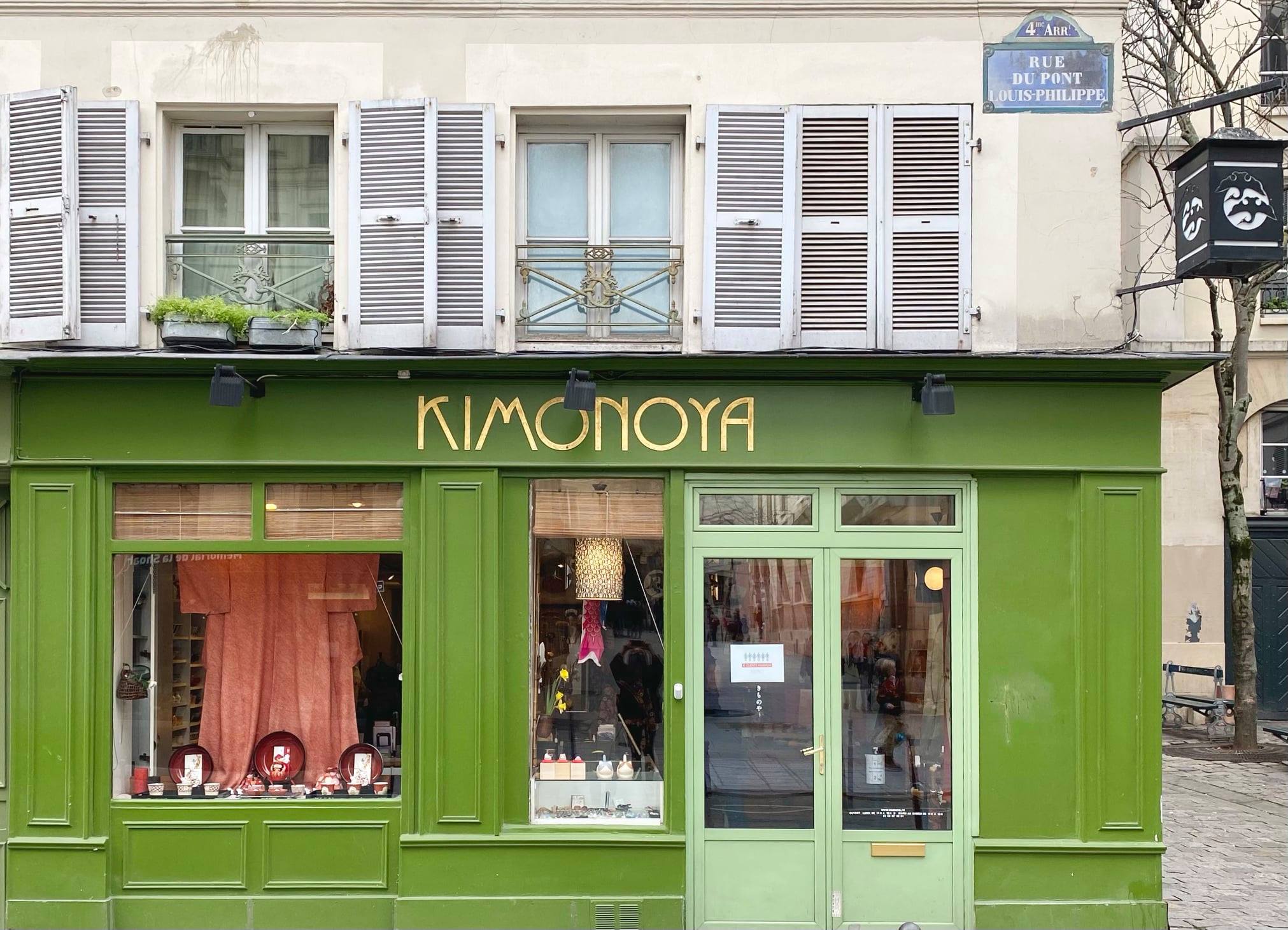
Founded in 1981 by Japanese stylist Machi Kojima and interior designer Gérald Ménager, this boutique with a bold green façade and display cases based around different themes is dedicated to authentic kimonos, Japanese craftsmanship and traditional arts.
As the name suggests, Kimonoya essentially promotes conventional Japanese garments, kimono (‘thing to wear’), yukata (‘bathing cloth’) and haori (a hip-or knee-length jacket). This boutique, a reference in its field, is also the oldest shop selling Japanese handicrafts in the French capital.
Fabric by the metre, flower holders and lanterns
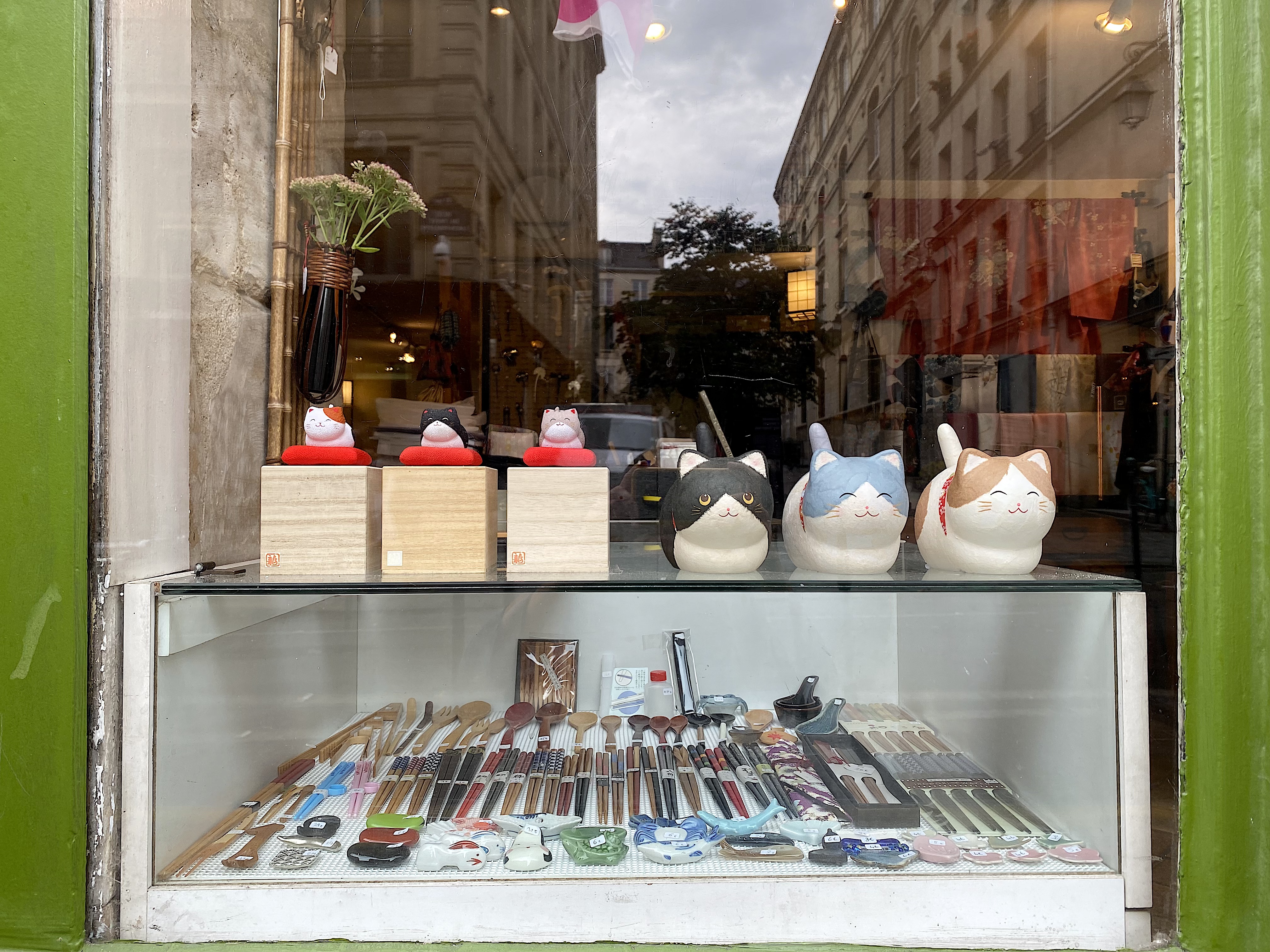
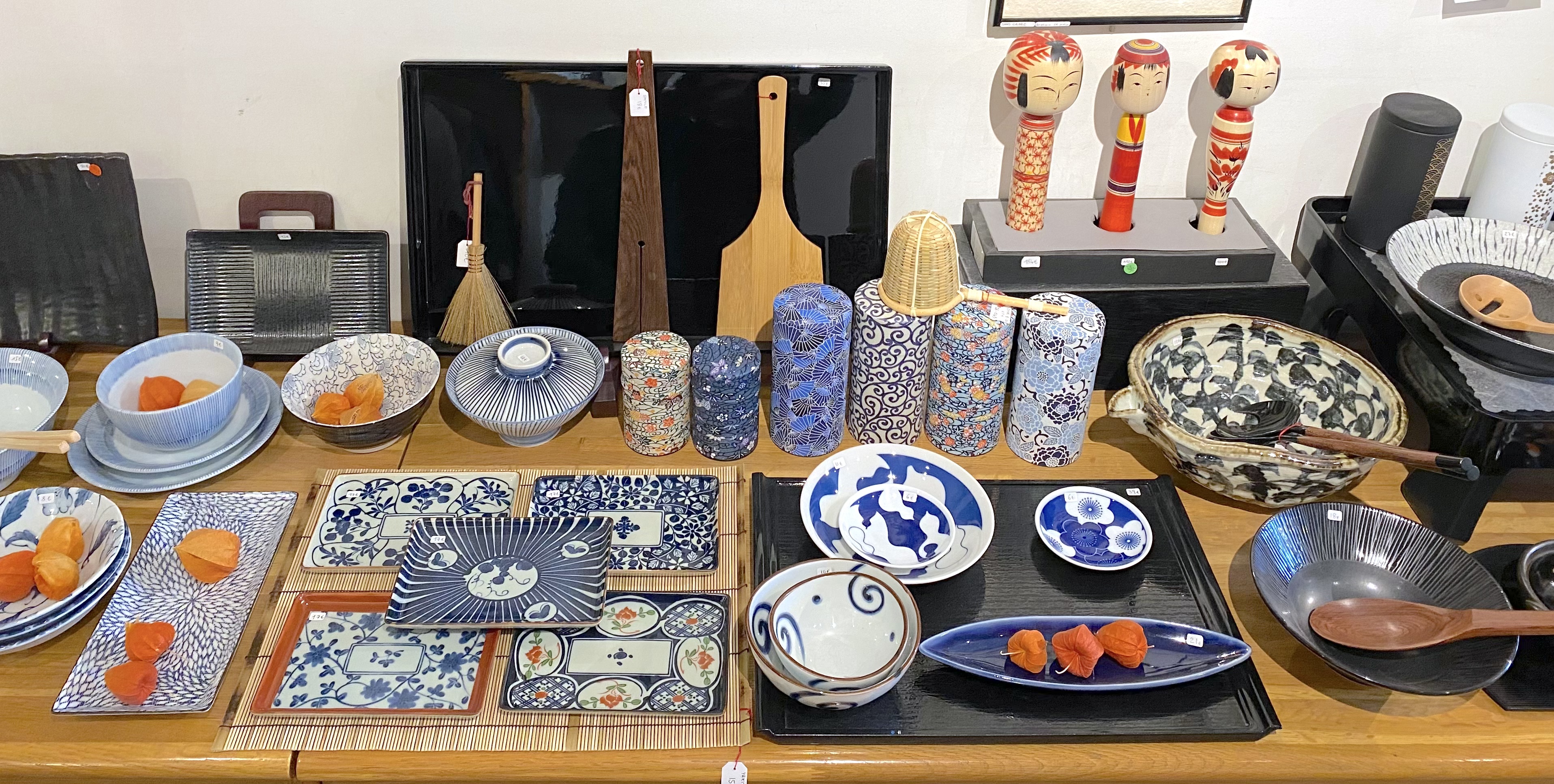
From vases for ikebana (the Japanese art of floral arrangement) to sake sets via make-up brushes used for kabuki (an epic form of traditional Japanese theatre), Kimonoya houses various unique items thanks to Machi Kojima. To enrich her stock, the owner brings back a wide range of objects sourced at a bargain price from all over Japan every year. ‘You will find a thousand ideas for original and refined gifts for you and your friends’, the website promises. Thus, enthusiasts and curious visitors alike and of all backgrounds cross paths here, on the hunt for a unique product.
More information about Kimonoya can be found on the shop’s website.
© Kimonoya
© Kimonoya