Kohana—a New Spot in Ebisu that Raises Dashi to a New Level
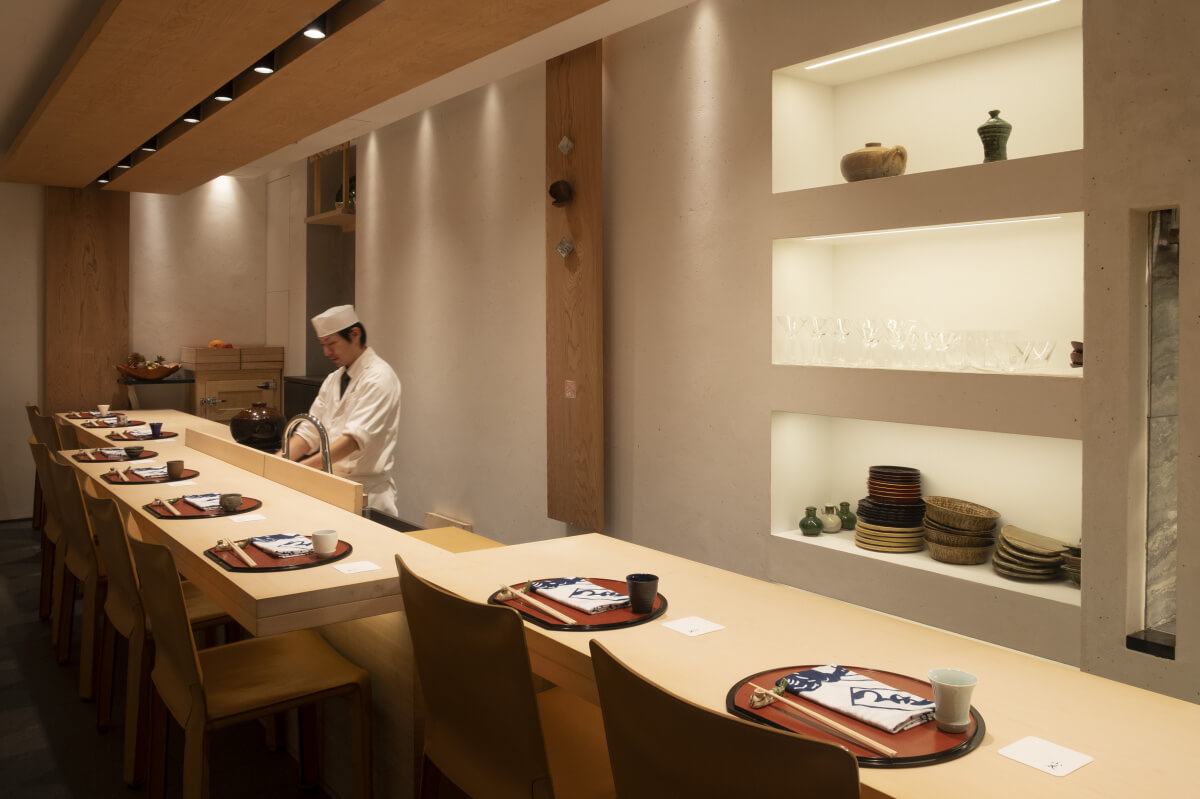
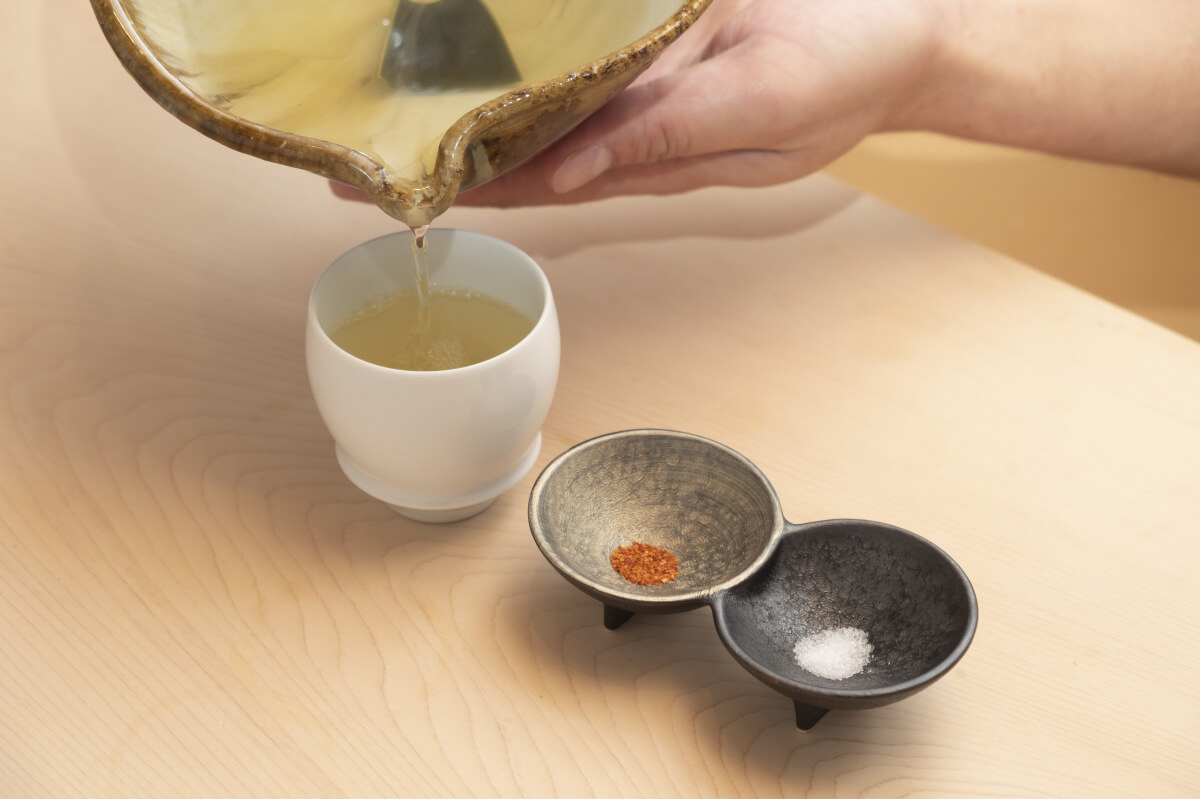
Dashi (delicately flavored soup stock) is one of the secrets of world-famous Japanese food culture. Even famous chefs around the world have all begun to explore its subtleties. And now a traditional Japanese restaurant Kohana, just opened in Ebisu, raises dashi to a new level.
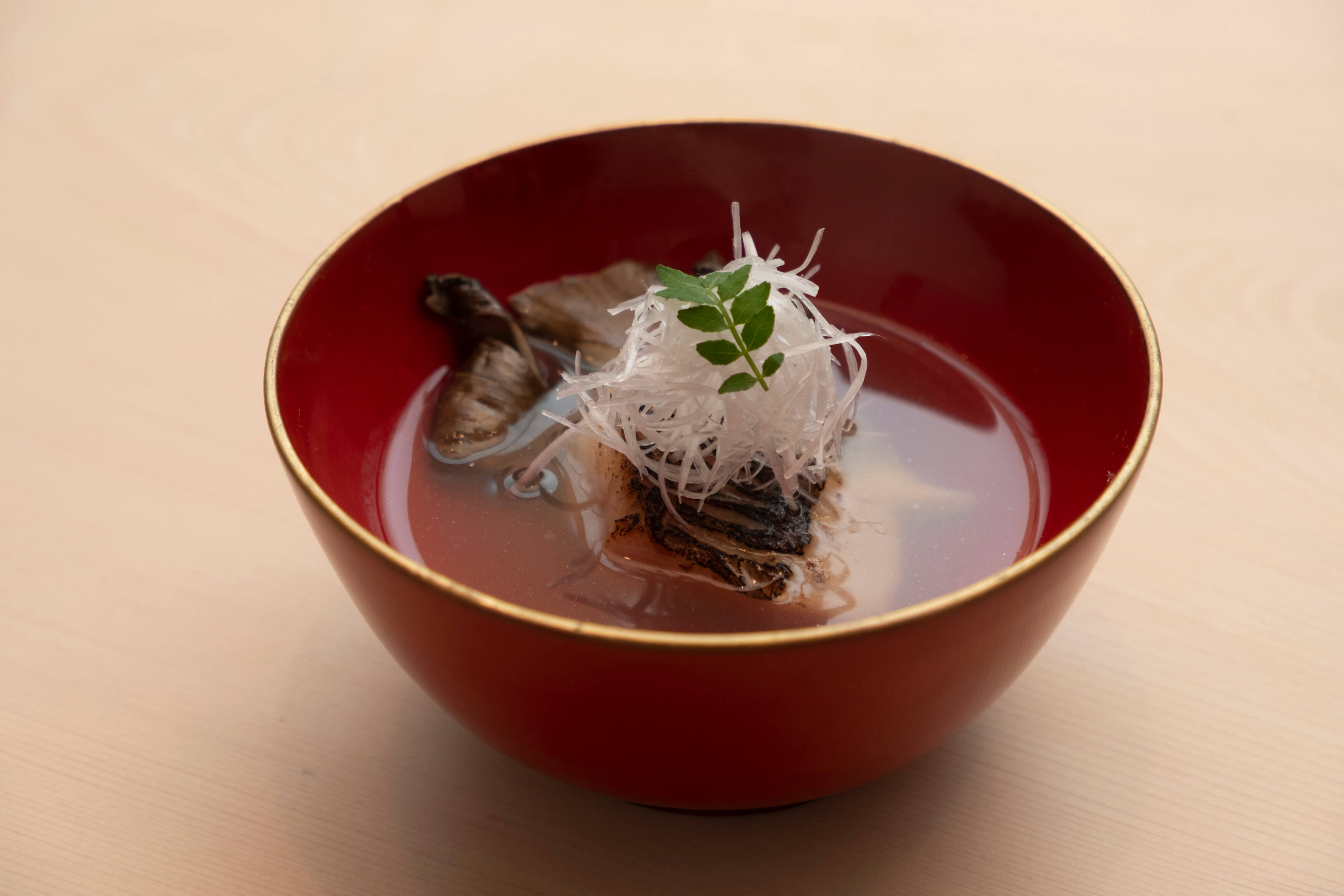
The old-school menu offers full-course dinners starting at ¥10,000, based on seasonal ingredients. Most of the cuisine on offer has been enhanced in some way by dashi prepared from various ingredients. The conventional Japanese meal featuring a first course of soup, with dashi prepared from katsuobushi (smoked skipjack tuna flakes) or kombu (kelp), is de-emphasized in favor of accentuating the savory umami specific to that ingredient.
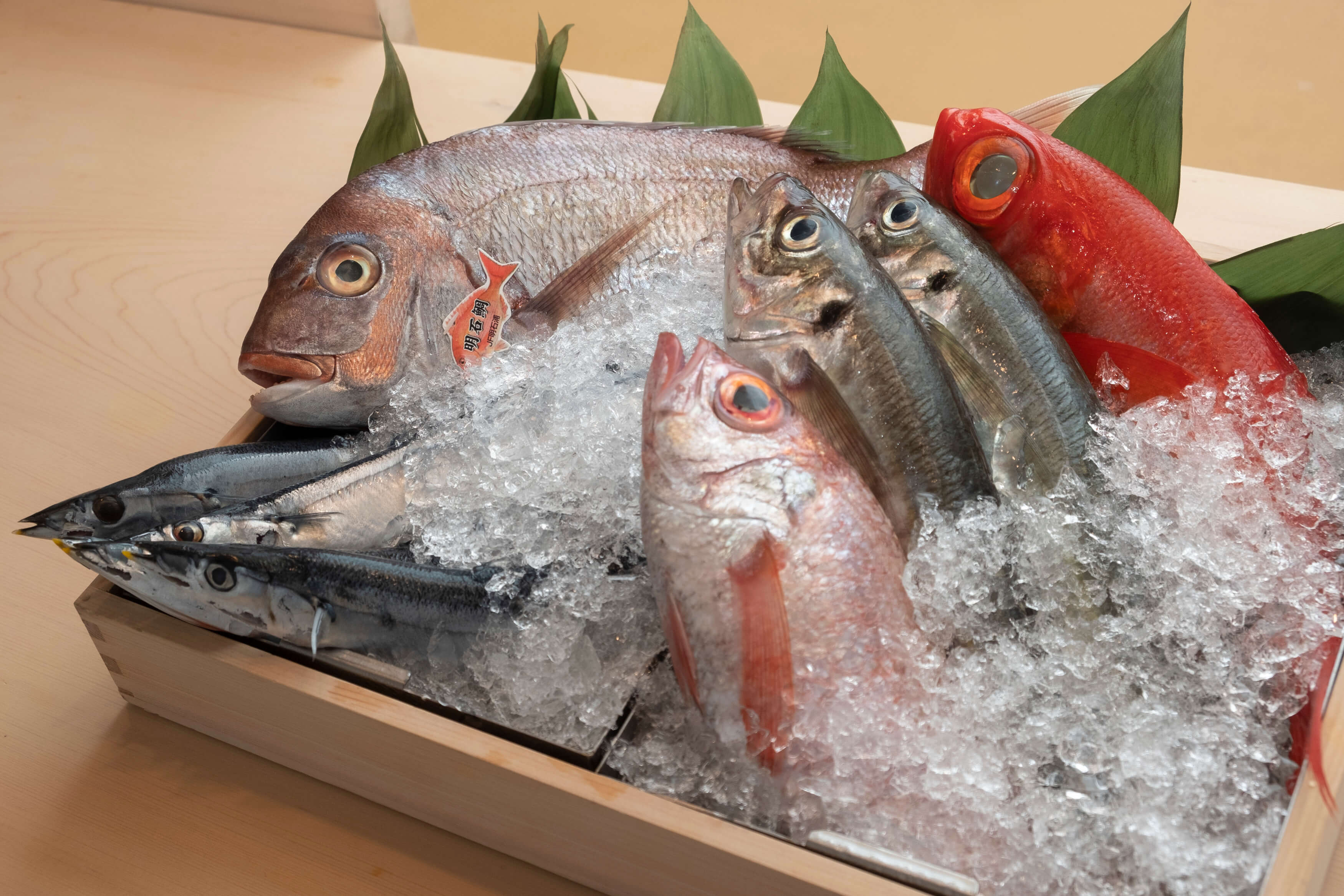
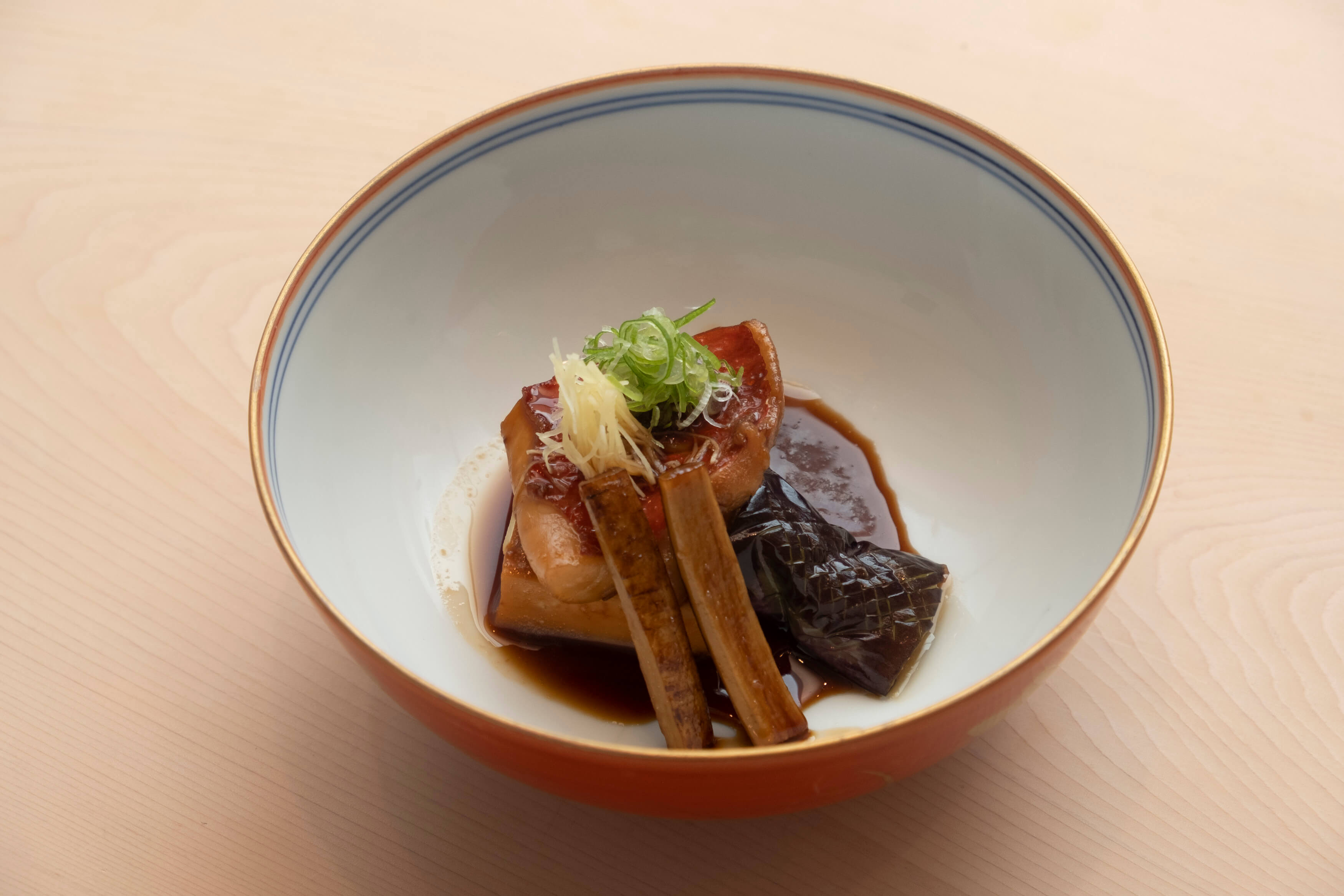
The main course is selected from various fish and meats made available that day, and then prepared according to the diner’s fancy. The flexibility of the chefs is astonishing. A fish selection, for example, might be ordered as sashimi, boiled in broth, grilled, or fried. A range of meats can be chosen from the day’s selection, such as Miyazaki beef, Hakata chicken, or Sangen pork from Soshu (modern Chiba Prefecture). Within that range, even the oddest requests—a sandwich of wagyu (Japanese beef) cutlet—unlikely at traditional restaurants, will be honored.
Kohana is definitely recommended for diners who want to try eclectic combinations: ‘Give me wagyu steak and sashimi!’ Dashi, fresh produce, and culinary skills are uniquely combined for a single occasion— if you’re someone who never wants to eat the same thing twice, this is definitely the place for you!
Kohana
3-28-2 Ebisu, Shibuya-ku, Tokyo
Tel.: 03-6455-7826
Hours: 5:30 pm -9:00 pm L.O. (Mondays-Saturdays)
Closed: Sundays, holidays
ko-hana.jpTRENDING
-
Hiroshi Nagai's Sun-Drenched Pop Paintings, an Ode to California
Through his colourful pieces, the painter transports viewers to the west coast of America as it was in the 1950s.

-
A Craft Practice Rooted in Okinawa’s Nature and Everyday Landscapes
Ai and Hiroyuki Tokeshi work with Okinawan wood, an exacting material, drawing on a local tradition of woodworking and lacquerware.
-
The Tattoos that Marked the Criminals of the Edo Period
Traditional tattoos were strong signifiers; murderers had head tattoos, while theft might result in an arm tattoo.
-
‘Shojo Tsubaki’, A Freakshow
Underground manga artist Suehiro Maruo’s infamous masterpiece canonised a historical fascination towards the erotic-grotesque genre.
-
‘Seeing People My Age or Younger Succeed Makes Me Uneasy’
In ‘A Non-Conformist’s Guide to Surviving Society’, author Satoshi Ogawa shares his strategies for navigating everyday life.